
The Allure of Chance: Understanding Gambling Motivation
The allure of chance is one of the primary psychological factors that draw individuals into the world of casino gaming. The very concept that a single spin of a wheel or the flip of a card can lead to life-changing wins captivates many. This unpredictability creates an adrenaline rush that keeps players returning for more. It’s not merely about winning money; it’s about the thrill of the gamble itself and the potential for adventure that resonates deeply with human nature. For those interested in maximizing their entertainment options, the best online pokies australia real money experience enhances the excitement of taking risks, tapping into a primal instinct that drives many to seek out challenges, making gambling a compelling choice for those looking to spice up their lives.
Understanding why people are drawn to gambling often involves examining their individual motivations. For some, the excitement of participating in games of chance provides an escape from everyday life. Whether it’s the allure of high-stakes poker or the flashing lights of slot machines, the casino environment offers a sensory experience that transports players to a different world. This escape can be particularly appealing during stressful periods, giving individuals an outlet through which they can temporarily forget their worries. The immersive atmosphere of casinos, with their vibrant colors and energetic sounds, can create a euphoric feeling, making the experience even more intoxicating.
Moreover, social interaction plays a significant role in fueling gambling habits. Many people enjoy the camaraderie that comes with playing in a lively casino atmosphere. The interactions with other players and dealers foster a sense of community, making the experience more enjoyable. This social engagement can reinforce gambling behavior, as friends encourage each other to partake in games, leading to prolonged visits and increased expenditures. The shared excitement of winning or the collective disappointment of losing can forge bonds among players, creating a communal aspect to gaming that many find irresistible.
The Psychology of Reward: Reinforcement and Gambling Behavior
The psychology of reinforcement is crucial in understanding gambling habits. Operant conditioning teaches us that behaviors followed by rewards are likely to be repeated. In a casino setting, intermittent rewards are frequent—players receive wins sporadically, but often enough to keep them engaged. This unpredictability can lead to a cycle of behavior where gamblers continue to play in hopes of hitting the jackpot, despite the odds being against them. The thrill of a near-win can be particularly enticing, as it creates a false sense of hope that keeps players coming back for more.
Research has shown that the brain releases dopamine, a neurotransmitter associated with pleasure, during rewarding experiences, including gambling. When a player wins, even a small amount, it creates a pleasurable sensation that encourages them to gamble again. This neurological response can lead to a compulsion to chase losses, a phenomenon where gamblers feel driven to recoup their money, often leading to more significant losses. This cycle can create a dangerous relationship with gambling, where the thrill of winning outweighs the financial risks involved. The brain’s reward pathways become conditioned to associate gambling with pleasure, making it increasingly difficult for individuals to walk away.
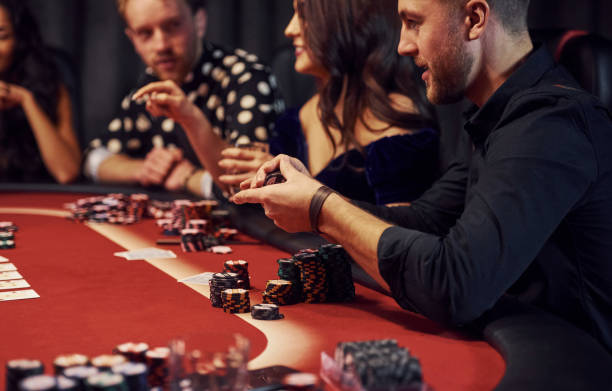
Additionally, cognitive biases can further entrench gambling behavior. Many gamblers fall victim to the “gambler’s fallacy,” believing that past outcomes can influence future results. For example, a player may think that a slot machine is “due” for a payout after a series of losses, which can result in them playing longer and spending more money. These distorted perceptions of reality can make it challenging for gamblers to step back and assess their behavior critically. The illusion of control can also play a role, as players may believe they can influence the outcome of games based on their strategies or decisions, further deepening their commitment to gambling.
The Role of Emotion: Mood and Gambling Choices
Emotions significantly influence gambling choices, often driving people to casinos as a means to cope with feelings such as boredom, loneliness, or stress. For individuals looking to escape negative emotions, gambling can appear as an alluring option. The excitement and rush experienced during gameplay can temporarily alleviate feelings of sadness or isolation, making it a form of emotional regulation, albeit an unhealthy one. The thrill associated with gambling can provide a fleeting sense of happiness that many individuals may find hard to resist, particularly in times of personal crisis.
Conversely, positive emotions can also affect gambling decisions. For those in high spirits, the thrill of gaming can enhance their enjoyment and lead to riskier behavior. This interconnectedness between mood and gambling choices illustrates how emotional states can sway decisions, often without the individual’s realization of these influences. It’s essential for gamblers to recognize how their emotions play a part in their gaming habits, as this awareness can be the first step toward healthier behaviors. By understanding the emotional triggers that lead them to gamble, individuals can start to develop healthier coping mechanisms.
Furthermore, the casino environment is meticulously designed to amplify certain emotions. The bright lights, engaging sounds, and complimentary drinks all work collaboratively to create an inviting space. This stimulation can heighten excitement and encourage longer periods of play, often leading individuals to make impulsive decisions fueled by positive feelings. The interplay of environmental factors and emotional responses can create a potent mix that traps players in a cycle of continuous gambling. Awareness of these emotional triggers can empower players to take control of their experiences and make more mindful decisions about their gambling activities.
Socioeconomic Factors: Gambling Across Different Demographics
Socioeconomic factors play a significant role in shaping gambling habits. Research indicates that individuals from lower-income brackets may be more likely to participate in gambling activities as a means to improve their financial situation. The prospect of winning big can be particularly tempting for those struggling with economic hardship. This dependence on chance as a potential escape can lead to increased gambling frequency, often resulting in negative financial impacts. The desperation to change one’s financial circumstances can drive individuals to engage in riskier gambling behaviors, potentially leading to a cycle of loss and further financial strain.

Furthermore, demographic variables such as age, gender, and education level can influence gambling preferences and behaviors. Studies have shown that younger individuals are more inclined to engage in riskier gambling activities, while older adults may prefer traditional games like bingo and poker. Gender differences also emerge, with men generally more likely to engage in high-stakes gambling compared to women. These variations highlight the importance of recognizing how different backgrounds may shape gambling habits and predispositions. Understanding these demographic influences can help tailor responsible gaming initiatives more effectively to address specific needs.
Additionally, access to gambling venues often varies by location and community resources. Areas with casinos or gambling establishments tend to have higher participation rates, while those without may see less engagement. This disparity can create a cycle where those in areas with fewer resources are left with fewer opportunities for entertainment, further driving individuals toward gambling as the primary source of excitement or leisure. The availability of online gambling platforms has also transformed accessibility, allowing individuals from various backgrounds to engage in gaming activities from the comfort of their homes, which can exacerbate existing issues related to gambling among susceptible populations.
Understanding Gambling Disorder and Support Resources
Understanding gambling disorder is critical for recognizing the signs and seeking help. This behavioral addiction can have devastating effects on individuals and their families, leading to financial ruin, strained relationships, and emotional distress. Many individuals may struggle in silence, unaware that their gaming habits have become problematic. Symptoms of gambling disorder include an inability to control gambling behaviors, preoccupation with gambling, and withdrawal symptoms when not gambling. Recognizing these signs early can be crucial in preventing further negative consequences.
Support resources are available to those affected by gambling addiction, including counseling services and support groups. Organizations dedicated to helping individuals deal with this disorder offer a safe space for sharing experiences and finding solutions. Programs such as Gamblers Anonymous emphasize the importance of community and shared experiences in recovery. Recognizing the signs and seeking help promptly can significantly improve an individual’s chances of overcoming their gambling issues. Access to professional treatment options, combined with peer support, can play a pivotal role in the recovery process.
Additionally, establishing personal limits and self-control measures is crucial in maintaining a healthy relationship with gambling. Individuals can benefit from setting budgets and time limits when visiting casinos, as well as identifying emotional triggers that prompt gambling behavior. By fostering a greater understanding of their habits, individuals can take proactive steps toward responsible gaming and ensure that gambling remains a form of entertainment rather than a source of distress. Using self-exclusion programs and seeking out educational resources can further empower individuals to make informed choices and cultivate a more balanced approach to gaming.