
Suriname 50: Films + diepe taki #6: Glad to be gay, toch?

 𝗦𝘂𝗿𝗶𝗻𝗮𝗺𝗲 𝟱𝟬: 𝗙𝗶𝗹𝗺𝘀 + 𝗱𝗶𝗲𝗽𝗲 𝘁𝗮𝗸𝗶 #𝟲
On 𝗧𝗵𝘂𝗿𝘀𝗱𝗮𝘆, 𝗝𝘂𝗹𝘆 𝟯𝟬, 𝟮𝟬𝟮𝟲, we proudly present the 𝟲𝘁𝗵 𝗲𝗱𝗶𝘁𝗶𝗼𝗻 of 𝗦𝘂𝗿𝗶𝗻𝗮𝗺𝗲 𝟱𝟬: 𝗙𝗶𝗹𝗺𝘀 + 𝗱𝗶𝗲𝗽𝗲 𝘁𝗮𝗸𝗶 at 𝗥𝗶𝗮𝗹𝘁𝗼 𝗩𝗨 𝗚𝗿𝗶𝗳𝗳𝗶𝗼𝗲𝗻. This edition features a 𝘀𝗽𝗲𝗰𝗶𝗮𝗹 𝘀𝗰𝗿𝗲𝗲𝗻𝗶𝗻𝗴 of the documentary 𝗚𝗹𝗮𝗱 𝘁𝗼 𝗯𝗲 𝗴𝗮𝘆, 𝘁𝗼𝗰𝗵? (1992), followed by a 𝗱𝗶𝗲𝗽𝗲 𝘁𝗮𝗸𝗶 exploring the current state of 𝗟𝗚𝗕𝗧𝗤+ 𝗲𝗺𝗮𝗻𝗰𝗶𝗽𝗮𝘁𝗶𝗼𝗻 𝗮𝗻𝗱 𝗮𝗰𝗰𝗲𝗽𝘁𝗮𝗻𝗰𝗲 𝗶𝗻 𝗦𝘂𝗿𝗶𝗻𝗮𝗺𝗲𝘀𝗲, 𝗗𝘂𝘁𝗰𝗵 𝗖𝗮𝗿𝗶𝗯𝗯𝗲𝗮𝗻, 𝗮𝗻𝗱 𝗗𝘂𝘁𝗰𝗵 𝘀𝗼𝗰𝗶𝗲𝘁𝗶𝗲𝘀. 


The 𝗱𝗶𝗲𝗽𝗲 𝘁𝗮𝗸𝗶 (‘deep conversation’) will bring together an inspiring panel consisting of film director 𝗔𝗻𝗱𝗿𝗲 𝗥𝗲𝗲𝗱𝗲𝗿, 𝗣𝗮𝘁𝗿𝗶𝗰𝗸 𝗟𝗶𝗲𝘀𝗱𝗲𝗸, author of 𝗟𝗼𝘃𝗲: 𝗔 𝗛𝗶𝘀𝘁𝗼𝗿𝘆 𝗼𝗳 𝗛𝗮𝘁𝗲 𝗶𝗻 𝗦𝘂𝗿𝗶𝗻𝗮𝗺𝗲: 𝗛𝗶𝗱𝗲, 𝗙𝗹𝗲𝗲 𝗼𝗿 𝗦𝘂𝗶𝗰𝗶𝗱𝗲, a landmark book on the history of LGBTQ+ people in Suriname, 𝗝𝗮𝗻𝗶𝗰𝗲 𝗧𝗷𝗼𝗻 𝗦𝗶𝗲𝗻, one of the leading advocates behind the legalization and acceptance of same-sex marriage in Curaçao, and 𝗔𝗻𝗻𝗲 𝗞𝗿𝘂𝗹, a visual artist, writer, poet, and activist dedicated to advancing the rights and visibility of queer people of color. Moderated by 𝗡𝗶𝗰𝗰𝗵𝗲𝗹𝗹𝗲 𝗕𝘂𝘆𝗻𝗲, the discussion will explore how attitudes and realities have evolved across Surinamese, Dutch Caribbean, and Dutch societies, while examining the challenges that remain and the steps still needed to create a more inclusive future for queer communities.
Organized by the 𝗔𝗻𝘁𝗼𝗻 𝗱𝗲 𝗞𝗼𝗺 𝗖𝗵𝗮𝗶𝗿, in collaboration with 𝗖𝗮𝗿𝗶𝗯𝗯𝗲𝗮𝗻 𝗖𝗿𝗲𝗮𝘁𝗶𝘃𝗶𝘁𝘆 and 𝗔𝗳𝗿𝗶𝗰𝗮𝗱𝗲𝗹𝗶𝗰, this edition of 𝗦𝘂𝗿𝗶𝗻𝗮𝗺𝗲 𝟱𝟬: 𝗙𝗶𝗹𝗺𝘀 + 𝗱𝗶𝗲𝗽𝗲 𝘁𝗮𝗸𝗶 is curated by 𝗙𝗲𝗮𝗿𝗴𝗮𝗹 𝗔𝗴𝗮𝗿𝗱 of the 𝗛𝘂𝗺𝗮𝗻𝘀 𝗼𝗳 𝗙𝗶𝗹𝗺 𝗙𝗲𝘀𝘁𝗶𝘃𝗮𝗹 and 𝗟𝗚𝗕𝗧𝗤+ 𝗛𝘂𝗺𝗮𝗻𝘀 𝗼𝗳 𝘁𝗵𝗲 𝗡𝗲𝘁𝗵𝗲𝗿𝗹𝗮𝗻𝗱𝘀,
𝗦𝘂𝗿𝗶𝗻𝗮𝗺𝗲 𝟱𝟬: 𝗙𝗶𝗹𝗺𝘀 + 𝗱𝗶𝗲𝗽𝗲 𝘁𝗮𝗸𝗶 #𝟲: 𝗚𝗹𝗮𝗱 𝘁𝗼 𝗯𝗲 𝗴𝗮𝘆, 𝘁𝗼𝗰𝗵?
Date: Thursday, July 30, 2026
Time: 19:00 hrs
Location: Rialto VU Griffioen
Address: De Boelelaan 1111, Amsterdam, NL
Film: 𝗚𝗹𝗮𝗱 𝘁𝗼 𝗯𝗲 𝗴𝗮𝘆, 𝘁𝗼𝗰𝗵?
Director: André Reeder
Year: 1992
Country: The Netherlands 
Duration: 46′
Language: Dutch
Subtitles: English
Extra: During the diepe taki, moderated by 𝗡𝗶𝗰𝗰𝗵𝗲𝗹𝗹𝗲 𝗕𝘂𝘆𝗻𝗲, panelists 𝗔𝗻𝗱𝗿𝗲 𝗥𝗲𝗲𝗱𝗲𝗿, 𝗣𝗮𝘁𝗿𝗶𝗰𝗸 𝗟𝗶𝗲𝘀𝗱𝗲𝗸, 𝗝𝗮𝗻𝗶𝗰𝗲 𝗧𝗷𝗼𝗻 𝗦𝗶𝗲𝗻, and 𝗔𝗻𝗻𝗲 𝗞𝗿𝘂𝗹will reflect on the progress that has been made, the challenges that remain, and what is still needed to improve the lives of queer people in Suriname, the Dutch Caribbean, and the Netherlands.
Extra: Presented by the 𝗩𝗨 𝗔𝗻𝘁𝗼𝗻 𝗱𝗲 𝗞𝗼𝗺𝗹𝗲𝗲𝗿𝘀𝘁𝗼𝗲𝗹, 𝗖𝗮𝗿𝗶𝗯𝗯𝗲𝗮𝗻 𝗖𝗿𝗲𝗮𝘁𝗶𝘃𝗶𝘁𝘆, 𝗔𝗳𝗿𝗶𝗰𝗮𝗱𝗲𝗹𝗶𝗰, and, this edition, 𝗙𝗲𝗮𝗿𝗴𝗮𝗹 𝗔𝗴𝗮𝗿𝗱 of the 𝗛𝘂𝗺𝗮𝗻𝘀 𝗼𝗳 𝗙𝗶𝗹𝗺 𝗙𝗲𝘀𝘁𝗶𝘃𝗮𝗹 and 𝗟𝗚𝗕𝗧𝗤+ 𝗛𝘂𝗺𝗮𝗻𝘀 𝗼𝗳 𝘁𝗵𝗲 𝗡𝗲𝘁𝗵𝗲𝗿𝗹𝗮𝗻𝗱𝘀
More info & tickets: griffioen.vu.nl/film/glad-to-be-gay-right-1992/30-07-2026-19-00
𝗔𝗯𝗼𝘂𝘁 𝗚𝗹𝗮𝗱 𝘁𝗼 𝗯𝗲 𝗴𝗮𝘆, 𝘁𝗼𝗰𝗵?
In 1992, André Reeder, in collaboration with COC and with support from Strange Fruit, made the landmark documentary 𝗚𝗹𝗮𝗱 𝘁𝗼 𝗯𝗲 𝗴𝗮𝘆, 𝘁𝗼𝗰𝗵? In the film, Sook Ahn, Zarine, Ivan, Klaas, and Angelique speak candidly about their coming-out experiences, their relationships with their parents, the discovery of their sexuality, and their views on love and relationships. The documentary also provides educational information and was widely used throughout the Netherlands as an educational resource. 𝗚𝗹𝗮𝗱 𝘁𝗼 𝗯𝗲 𝗴𝗮𝘆, 𝘁𝗼𝗰𝗵? was broadcasted on Australian television in 1992 and, more recently, screened at a major LGBTQ+ event in London in 2024.
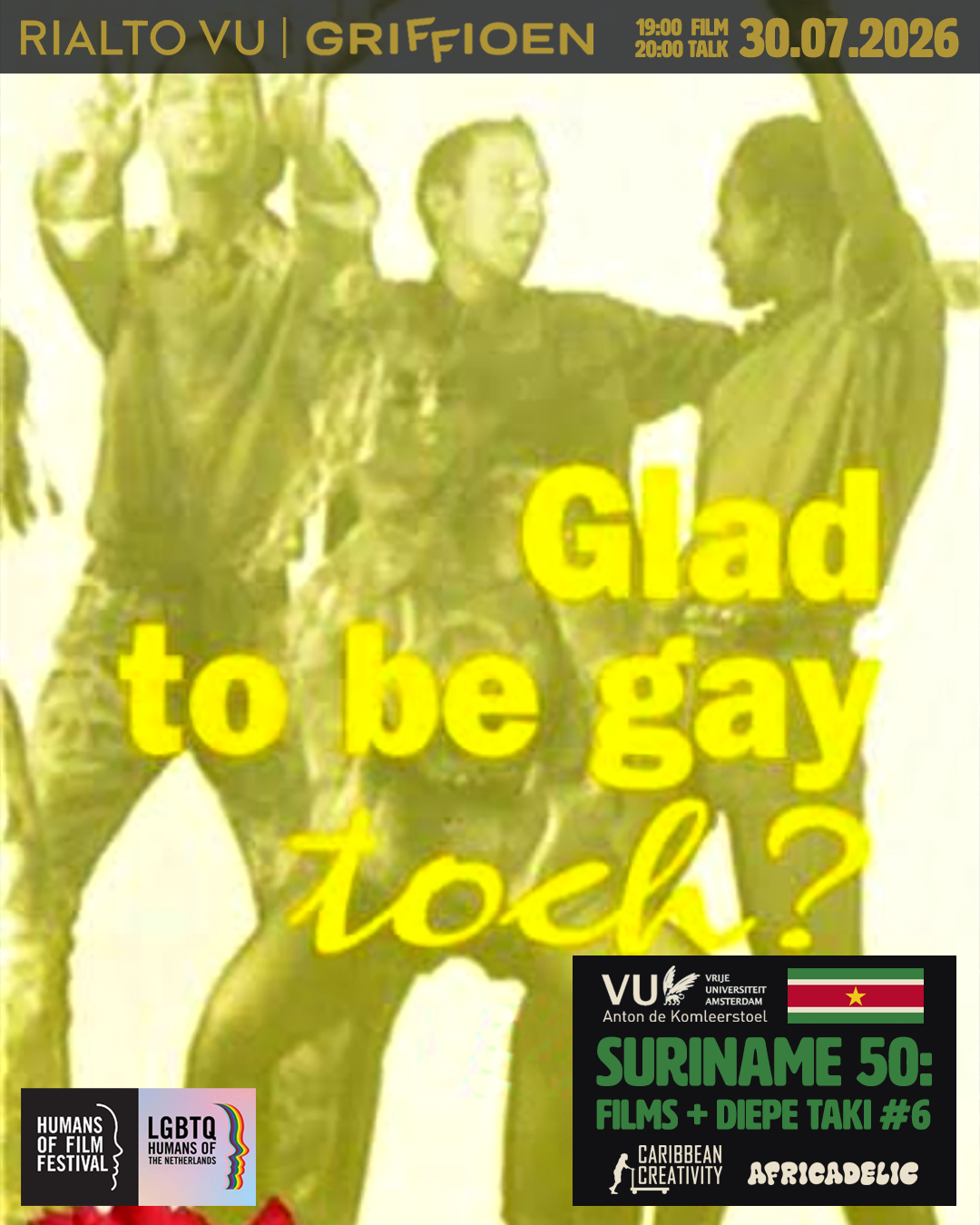
𝗚𝗹𝗮𝗱 𝘁𝗼 𝗯𝗲 𝗴𝗮𝘆, 𝘁𝗼𝗰𝗵? | 𝗟𝗼𝗻𝗴 𝘀𝘆𝗻𝗼𝗽𝘀𝗶𝘀
Made in 1992 by Surinamese-Dutch filmmaker André Reeder, in collaboration with COC Netherlands and the queer migrant collective Strange Fruit, 𝗚𝗹𝗮𝗱 𝘁𝗼 𝗯𝗲 𝗴𝗮𝘆, 𝘁𝗼𝗰𝗵? is a landmark documentary about sexuality, identity, family, and belonging. The film follows five young LGBTQ+ people from different cultural backgrounds, Sook Ahn, Zarine, Ivan, Klaas, and Angelique, who speak candidly about coming out, discovering their sexuality, navigating relationships with their parents, and developing their own ideas about love and partnership.
By bringing together voices rarely represented in Dutch media at the time, Reeder explores what it means to be queer within different cultural and family contexts. The documentary pays particular attention to the intersecting pressures experienced by LGBTQ+ people from migrant and racialized communities, who could face exclusion both within their communities of origin and within the predominantly white Dutch gay scene.
The title refers to the Tom Robinson Band’s 1978 protest song Glad to Be Gay, which challenged homophobia, discrimination, and violence in British society. Reeder’s addition of the questioning Dutch word ‘toch?’ – roughly translated as ‘right?’ or ‘isn’t it?’ – introduces an element of doubt and critique, asking how freely and proudly queer people could truly live within an often-hostile society.
Combining personal testimonies with accessible educational information, 𝗚𝗹𝗮𝗱 𝘁𝗼 𝗯𝗲 𝗴𝗮𝘆, 𝘁𝗼𝗰𝗵? was accompanied by teaching materials and used widely throughout the Netherlands as an educational and awareness-raising resource. More than three decades after its release, the film remains a moving and relevant document of queer resilience, intercultural dialogue, and the continuing struggle for recognition, acceptance, and equality.