Black Soil Film Festival: Peter Tosh Town + Beach Inna Bondage (NL Premieres)
🎥 🇯🇲 Join us on 𝗦𝗮𝘁𝘂𝗿𝗱𝗮𝘆, 𝗗𝗲𝗰𝗲𝗺𝗯𝗲𝗿 𝟭𝟮 at 𝟮𝟭:𝟯𝟬 in 𝗟𝗔𝗕𝟭𝟭𝟭 in 𝗔𝗺𝘀𝘁𝗲𝗿𝗱𝗮𝗺for the 𝗗𝘂𝘁𝗰𝗵 𝗽𝗿𝗲𝗺𝗶𝗲𝗿𝗲𝘀 of both 𝗣𝗲𝘁𝗲𝗿 𝗧𝗼𝘀𝗵 𝗧𝗼𝘄𝗻 and 𝗕𝗲𝗮𝗰𝗵 𝗜𝗻𝗻𝗮 𝗕𝗼𝗻𝗱𝗮𝗴𝗲 at the 𝗕𝗹𝗮𝗰𝗸 𝗦𝗼𝗶𝗹 𝗙𝗶𝗹𝗺 𝗙𝗲𝘀𝘁𝗶𝘃𝗮𝗹 𝟮𝟬𝟮𝟲!
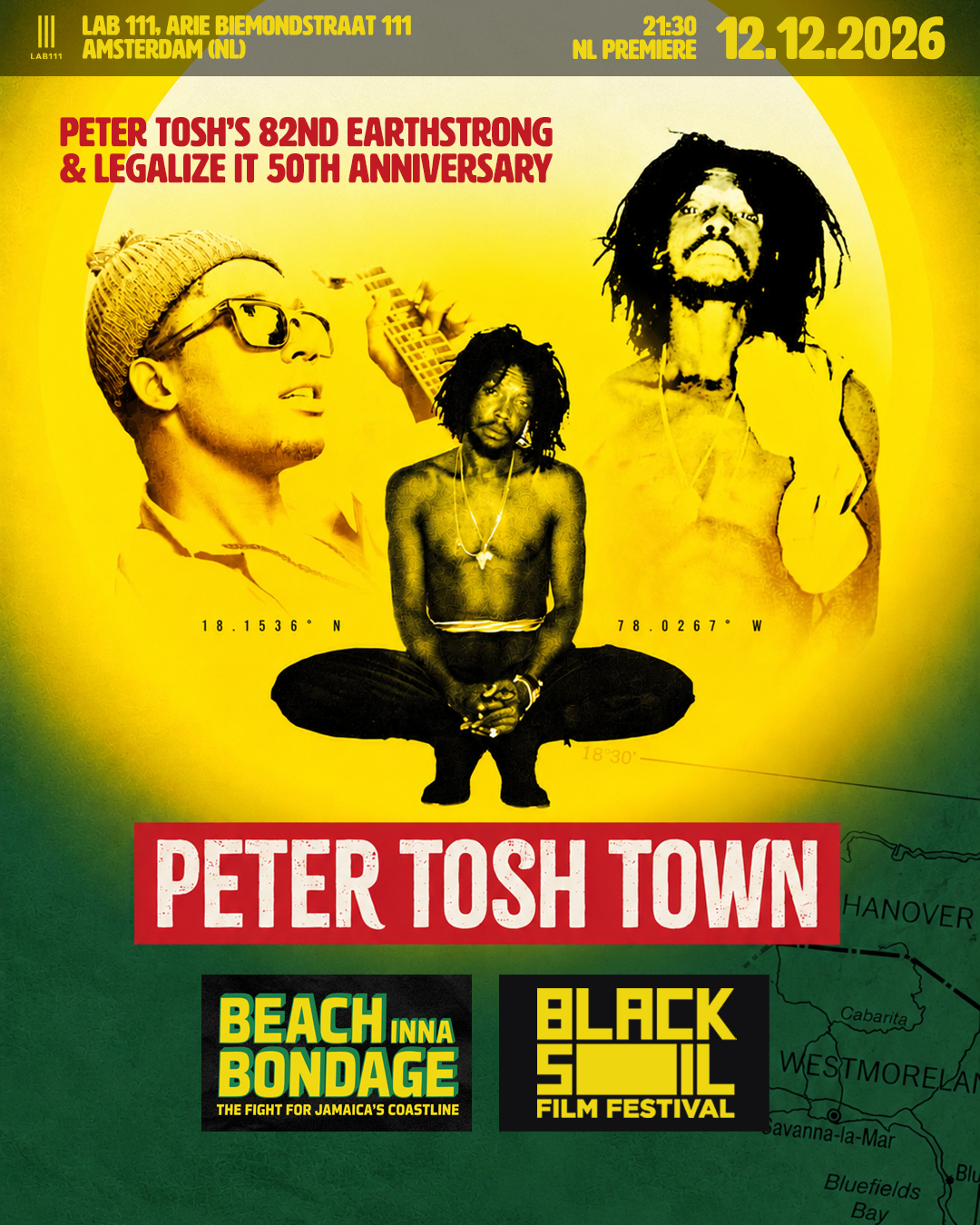
𝗣𝗲𝘁𝗲𝗿 𝗧𝗼𝘀𝗵 𝗧𝗼𝘄𝗻: 𝗢𝗿𝗶𝗴𝗶𝗻 𝗼𝗳 𝗮 𝗥𝗲𝗯𝗲𝗹 𝗪𝗮𝗶𝗹𝗲𝗿 (2025) is a four-part documentary miniseries exploring the life, music, and revolutionary legacy of Jamaican reggae icon 𝗣𝗲𝘁𝗲𝗿 𝗧𝗼𝘀𝗵 (1944–1987). This evening, we will screen the series in its entirety in celebration of what would have been Tosh’s 𝟴𝟮𝗻𝗱 𝗘𝗮𝗿𝘁𝗵𝘀𝘁𝗿𝗼𝗻𝗴, as well as the golden 𝟱𝟬𝘁𝗵 𝗮𝗻𝗻𝗶𝘃𝗲𝗿𝘀𝗮𝗿𝘆 of his groundbreaking solo debut album, 𝗟𝗲𝗴𝗮𝗹𝗶𝘇𝗲 𝗜𝘁 (1976). The programme will also feature the much-talked-about documentary 𝗕𝗲𝗮𝗰𝗵 𝗜𝗻𝗻𝗮 𝗕𝗼𝗻𝗱𝗮𝗴𝗲: 𝗧𝗵𝗲 𝗙𝗶𝗴𝗵𝘁 𝗳𝗼𝗿 𝗝𝗮𝗺𝗮𝗶𝗰𝗮’𝘀 𝗖𝗼𝗮𝘀𝘁𝗹𝗶𝗻𝗲 (2026), which will receive its 𝗼𝗳𝗳𝗶𝗰𝗶𝗮𝗹 𝗗𝘂𝘁𝗰𝗵 𝗽𝗿𝗲𝗺𝗶𝗲𝗿𝗲 following a series of sold-out preview screenings in Amsterdam. 🙏🏿🖤✊🏿
𝗕𝗹𝗮𝗰𝗸 𝗦𝗼𝗶𝗹 𝗙𝗶𝗹𝗺 𝗙𝗲𝘀𝘁𝗶𝘃𝗮𝗹 𝘅 𝗖𝗮𝗿𝗶𝗯𝗯𝗲𝗮𝗻 𝗖𝗿𝗲𝗮𝘁𝗶𝘃𝗶𝘁𝘆: 𝗣𝗲𝘁𝗲𝗿 𝗧𝗼𝘀𝗵 𝗧𝗼𝘄𝗻 + 𝗕𝗲𝗮𝗰𝗵 𝗜𝗻𝗻𝗮 𝗕𝗼𝗻𝗱𝗮𝗴𝗲 (𝗡𝗟 𝗣𝗿𝗲𝗺𝗶𝗲𝗿𝗲)
Date: Saturday, December 12, 2026
Time: 21:15 hrs
Venue: LAB111
Address: Arie Biemondstraat 111, 1054 PD Amsterdam
Title: 𝗣𝗲𝘁𝗲𝗿 𝗧𝗼𝘀𝗵 𝗧𝗼𝘄𝗻: 𝗢𝗿𝗶𝗴𝗶𝗻 𝗼𝗳 𝗮 𝗥𝗲𝗯𝗲𝗹 𝗪𝗮𝗶𝗹𝗲𝗿
Director: Niambe Tosh, Andre Livingston, and Cesar Buelto
Year: 2025
Duration: 60′
Country: Jamaica 🇯🇲
Extra: The award-winning documentary 𝗕𝗲𝗮𝗰𝗵 𝗜𝗻𝗻𝗮 𝗕𝗼𝗻𝗱𝗮𝗴𝗲: 𝗧𝗵𝗲 𝗙𝗶𝗴𝗵𝘁 𝗳𝗼𝗿 𝗝𝗮𝗺𝗮𝗶𝗰𝗮’𝘀 𝗖𝗼𝗮𝘀𝘁𝗹𝗶𝗻𝗲 (2026, 30′, dir. Emiel Martens and Elsie Vermeer in collaboration with JaBBEM and Keznamdi)
Extra: With an introduction by Jamaican visual artist 𝗞𝗮𝗿𝗹𝗮 𝗞𝗶𝗻𝗴
Extra: In celebration of 𝗣𝗲𝘁𝗲𝗿 𝗧𝗼𝘀𝗵’𝘀 𝟴𝟮𝗻𝗱 𝗘𝗮𝗿𝘁𝗵𝘀𝘁𝗿𝗼𝗻𝗴 (born October 19, 1944) alongside the golden 𝟱𝟬𝘁𝗵 𝗮𝗻𝗻𝗶𝘃𝗲𝗿𝘀𝗮𝗿𝘆 of his groundbreaking solo debut 𝗟𝗲𝗴𝗮𝗹𝗶𝘇𝗲 𝗜𝘁
More info & tickets: Soon available
𝗔𝗯𝗼𝘂𝘁 𝗣𝗲𝘁𝗲𝗿 𝗧𝗼𝘀𝗵 𝗧𝗼𝘄𝗻: 𝗢𝗿𝗶𝗴𝗶𝗻 𝗼𝗳 𝗮 𝗥𝗲𝗯𝗲𝗹 𝗪𝗮𝗶𝗹𝗲𝗿
𝗣𝗲𝘁𝗲𝗿 𝗧𝗼𝘀𝗵 𝗧𝗼𝘄𝗻: 𝗢𝗿𝗶𝗴𝗶𝗻 𝗼𝗳 𝗮 𝗥𝗲𝗯𝗲𝗹 𝗪𝗮𝗶𝗹𝗲𝗿 (2025) is a four-part documentary series exploring the life, music and revolutionary legacy of Jamaican reggae icon Peter Tosh (1944–1987), one of the founding members of The Wailers alongside Bob Marley and Bunny Wailer. Co-directed by Tosh’s daughter Niambe Tosh, alongside Andre Livingston and Cesar Buelto, the series takes viewers back to Belmont, a rural community in Westmoreland, Jamaica, where Tosh’s extraordinary journey began.
Through rare archival footage, historical recordings and personal testimonies from family members, friends, neighbours and scholars, the documentary traces Tosh’s transformation from a young musician growing up in rural Jamaica into one of reggae’s most outspoken international voices for equal rights, justice and liberation. Beyond his pioneering contributions to reggae music, the series explores his Rastafarian beliefs, his uncompromising opposition to political and social oppression, and his groundbreaking advocacy for the legalisation of cannabis.
Central to the documentary is Tosh’s deep connection to his birthplace and the community that shaped his identity, music and political consciousness. By returning to Belmont, where Tosh is also buried, the filmmakers illuminate the cultural and historical roots of his rebellious spirit while examining how his legacy continues to resonate with new generations. More than a conventional music biography, Peter Tosh Town: Origin of a Rebel Wailer celebrates the enduring relationship between music, resistance and community, honouring an artist whose calls for equal rights and justice remain as relevant today as they were during his lifetime.
𝗧𝗵𝗲 𝗳𝗼𝘂𝗿 𝗲𝗽𝗶𝘀𝗼𝗱𝗲𝘀 (𝘁𝗼𝘁𝗮𝗹 𝗿𝘂𝗻𝗻𝗶𝗻𝗴 𝘁𝗶𝗺𝗲: 𝟲𝟬:𝟮𝟯)
𝗘𝗽𝗶𝘀𝗼𝗱𝗲 𝟭: 𝗢𝗿𝗶𝗴𝗶𝗻𝘀 (𝟭𝟱:𝟰𝟭) | Explores Tosh’s childhood, formative experiences and musical beginnings through the memories of those who knew him personally.
𝗘𝗽𝗶𝘀𝗼𝗱𝗲 𝟮: 𝗕𝗲𝗹𝗺𝗼𝗻𝘁 (𝟭𝟯:𝟬𝟲) | Returns to the Westmoreland community that shaped Tosh’s identity and remains central to preserving his memory.
𝗘𝗽𝗶𝘀𝗼𝗱𝗲 𝟯: 𝗟𝗲𝗴𝗮𝗹𝗶𝘇𝗲 𝗜𝘁 (𝟭𝟯:𝟬𝟯) | Examines Tosh’s outspoken campaign for cannabis legalisation and its relationship to his wider political and spiritual convictions.
𝗘𝗽𝗶𝘀𝗼𝗱𝗲 𝟰: 𝗙𝗼𝗿𝘄𝗮𝗿𝗱 (𝟭𝟴:𝟯𝟯) | Explores the lasting influence of Tosh’s music, activism and philosophy on communities and social movements around the world.
𝗔𝗯𝗼𝘂𝘁 𝗕𝗲𝗮𝗰𝗵 𝗜𝗻𝗻𝗮 𝗕𝗼𝗻𝗱𝗮𝗴𝗲: 𝗧𝗵𝗲 𝗙𝗶𝗴𝗵𝘁 𝗳𝗼𝗿 𝗝𝗮𝗺𝗮𝗶𝗰𝗮’𝘀 𝗖𝗼𝗮𝘀𝘁𝗹𝗶𝗻𝗲
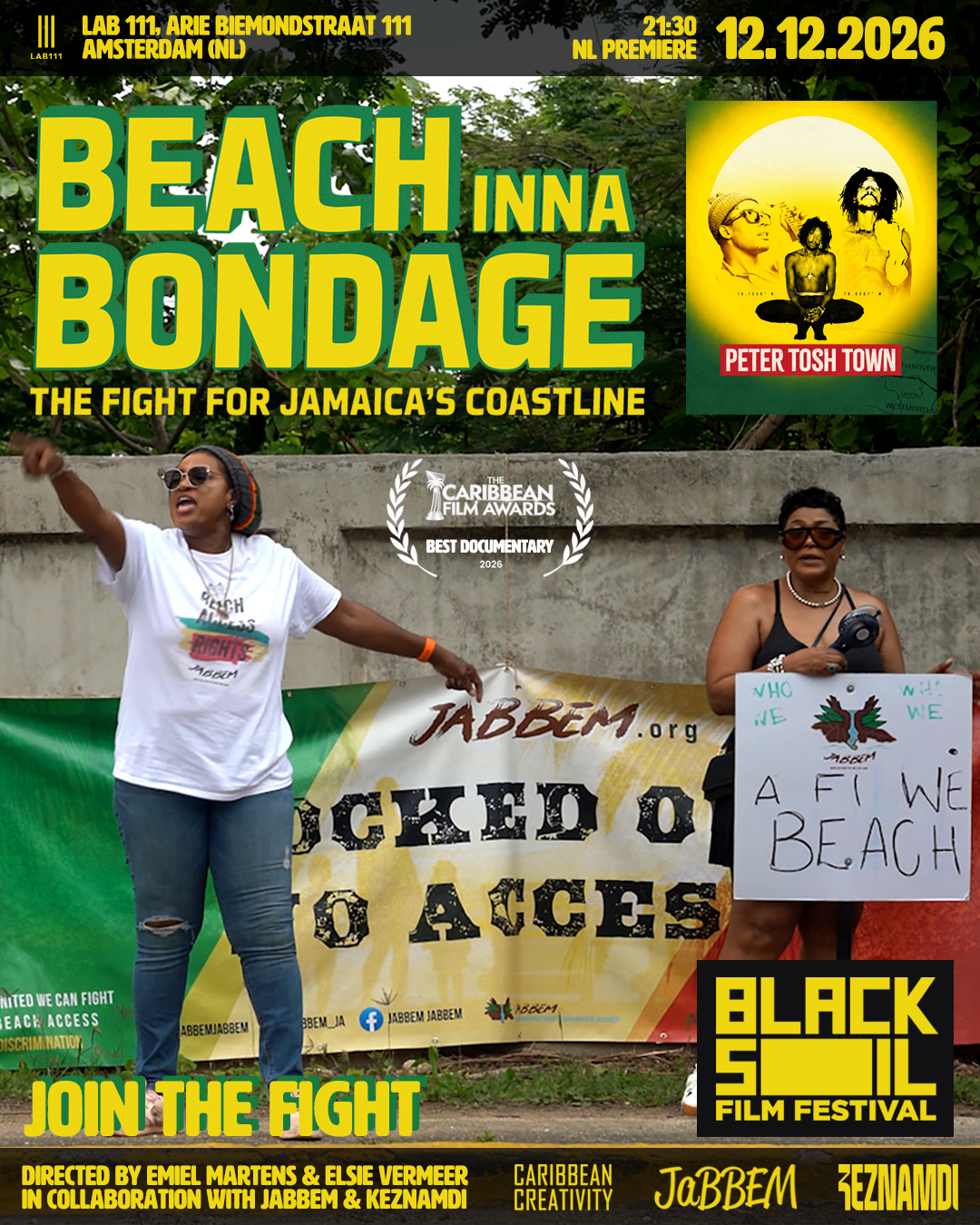
𝗕𝗲𝗮𝗰𝗵 𝗜𝗻𝗻𝗮 𝗕𝗼𝗻𝗱𝗮𝗴𝗲: 𝗧𝗵𝗲 𝗙𝗶𝗴𝗵𝘁 𝗳𝗼𝗿 𝗝𝗮𝗺𝗮𝗶𝗰𝗮’𝘀 𝗖𝗼𝗮𝘀𝘁𝗹𝗶𝗻𝗲 (2026) is a documentary by filmmaking duo 𝗘𝗺𝗶𝗲𝗹 𝗠𝗮𝗿𝘁𝗲𝗻𝘀 and 𝗘𝗹𝘀𝗶𝗲 𝗩𝗲𝗿𝗺𝗲𝗲𝗿 in collaboration with 𝗝𝗮𝗕𝗕𝗘𝗠 and 𝗞𝗲𝘇𝗻𝗮𝗺𝗱𝗶 exploring the growing struggle for beach access in Jamaica. Since the 1950s, public access to the island’s beaches has steadily declined, leaving less than one percent of the coastline publicly accessible for Jamaicans. Over the decades, most of Jamaica’s beaches have been captured by private and tourist interests, and particularly since the 2000s large-scale hotel developments have limited beach access for Jamaicans.
This film follows the grassroots movement resisting the privatization of Jamaican beaches by zooming in on three frontline struggles: Bob Marley Beach near Kingston, the Blue Lagoon in the parish of Portland, and Mammee Bay Beach on the island’s North Coast. The interviewees, all Jamaicans, reveal how the 1956 Beach Control Act, which is still in effect today, vests ownership of the foreshore in the Jamaican state (and actually the British Crown) and traces how this colonial-era law, combined with the island’s all-inclusive tourism model, has displaced communities, disrupted livelihoods, and degraded environments. Interwoven with archival footage, news clips, and recordings of protest rallies and court cases, the interviewees situate today’s beach access struggles within Jamaica’s troubled history of land ownership following emancipation and independence. They argue that the island’s tourism industry replicates plantation logic by monopolizing land, concentrating wealth, exporting profits, and, ultimately, marginalizing the people.
𝗕𝗲𝗮𝗰𝗵 𝗜𝗻𝗻𝗮 𝗕𝗼𝗻𝗱𝗮𝗴𝗲 shows that beach access, which is not only an issue in Jamaica but across the Caribbean and beyond, is an urgent matter of historical, economic, social, cultural and environmental justice, raising the question of who the tropical paradise of sun, sand, and sea truly serves, and at what cost…
𝗔𝗯𝗼𝘂𝘁 𝗞𝗮𝗿𝗹𝗮 𝗞𝗶𝗻𝗴
Karla King is a Jamaican visual artist, born and raised in Trelawny and now based in the Netherlands. Drawing on her background in sustainability and human-centered design, her work uses painting and poetry to explore themes including womanhood, identity, migration, and cultural heritage. King sees art as a vehicle for social change and a means of creating understanding and connection. In 2026, she founded the Ackee Seed Foundation, a Netherlands-based NGO that uses art and culture to support social development in Jamaica through community projects with young people, schools, and other educational organizations.
𝗔𝗯𝗼𝘂𝘁 𝗖𝗮𝗿𝗶𝗯𝗯𝗲𝗮𝗻 𝗖𝗿𝗲𝗮𝘁𝗶𝘃𝗶𝘁𝘆
Caribbean Creativity is an Amsterdam- and Kingston-based non-profit organization that is committed to the programming and promotion of Caribbean and Caribbean-themed cinema. Over the years, Caribbean Creativity has hosted over 350 screenings in film theatres and at film festivals, including numerous premieres. In 2020, they launched YardVibes, a streaming platform featuring content from independent Caribbean and African filmmakers. YardVibes currently offers over 100 titles, including feature films, web series, documentaries, and short films, with new content added monthly. For more information, visit www.caribbeancreativity.nl.
𝗔𝗯𝗼𝘂𝘁 𝗕𝗹𝗮𝗰𝗸 𝗦𝗼𝗶𝗹
Founded in 2003 as Europe’s first hip-hop film festival, Black Soil has since broadened its focus to celebrate Black culture in all its diversity. The festival showcases a wide range of films from the African diaspora, forming the heart of the emerging Black European art movement. With a rich and varied selection of films – ranging from stories deeply rooted in Black culture to works that explore and embrace it – the festival offers something for everyone. Taking place across three locations in Rotterdam, The Hague, and Amsterdam, Black Soil presents the very best in Black diasporic cinema, music, and talks. For more information, visit www.blacksoilfilmfestival.com.