Portie Film Festival 2026: Beyond Boundaries + Beach Inna Bondage + Who Cyah Hear + Replanting a Garden

 Join us on Friday, 𝗝𝘂𝗹𝘆 𝟭𝟬, at 𝟳.𝟯𝟬𝗽𝗺, at 𝗚𝗿𝗲𝗮𝘁 𝗛𝘂𝘁𝘀, east Portland, for the 𝘀𝗲𝗰𝗼𝗻𝗱 𝗱𝗮𝘆 of the 𝟭𝟬𝘁𝗵 𝗣𝗼𝗿𝘁𝗶𝗲 𝗙𝗶𝗹𝗺 𝗙𝗲𝘀𝘁𝗶𝘃𝗮𝗹! With a 𝘄𝗲𝗹𝗰𝗼𝗺𝗲 𝗿𝗲𝗰𝗲𝗽𝘁𝗶𝗼𝗻 from 𝟲𝗮𝗺 onwards! 🙏🏿🖤✊🏿
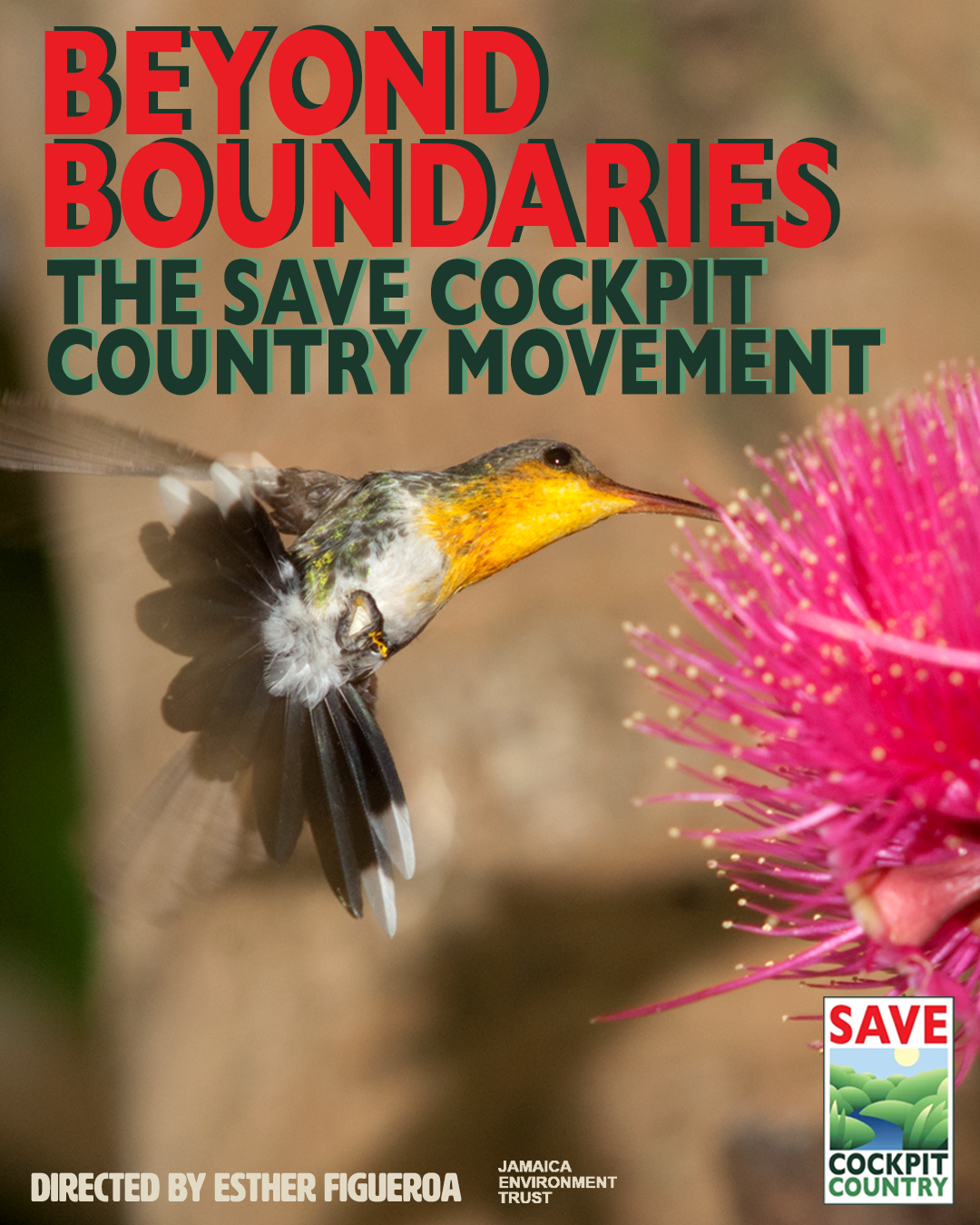
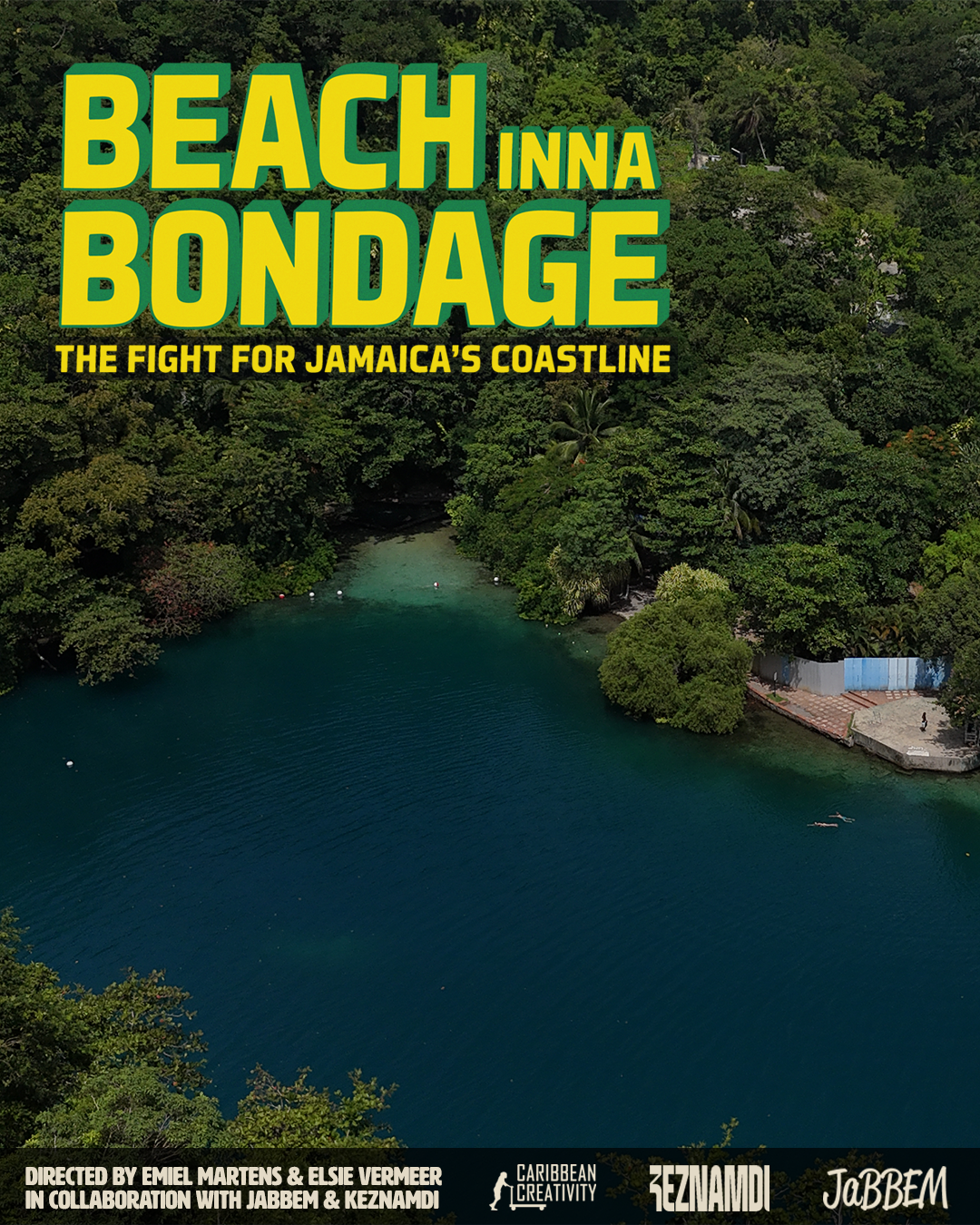
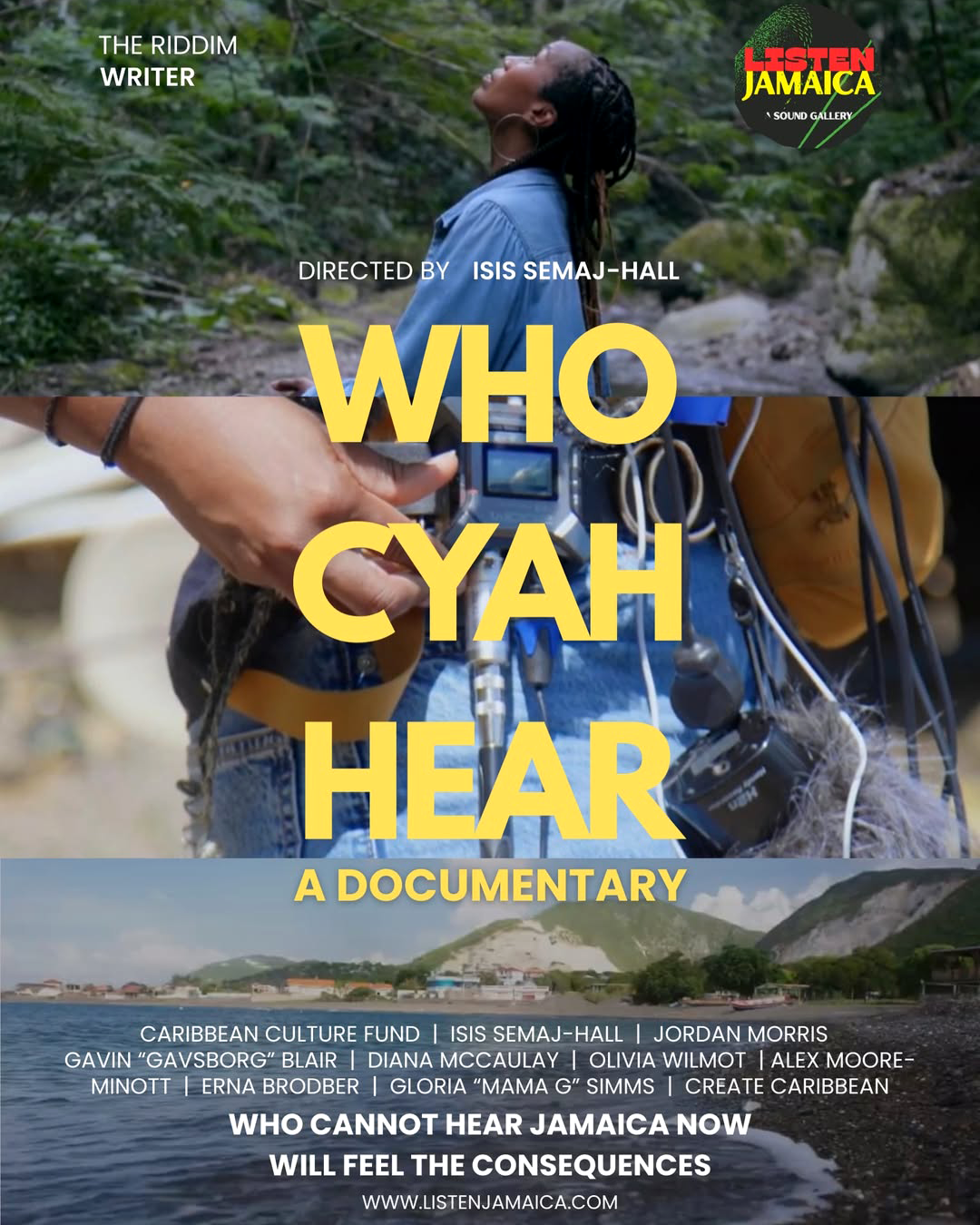
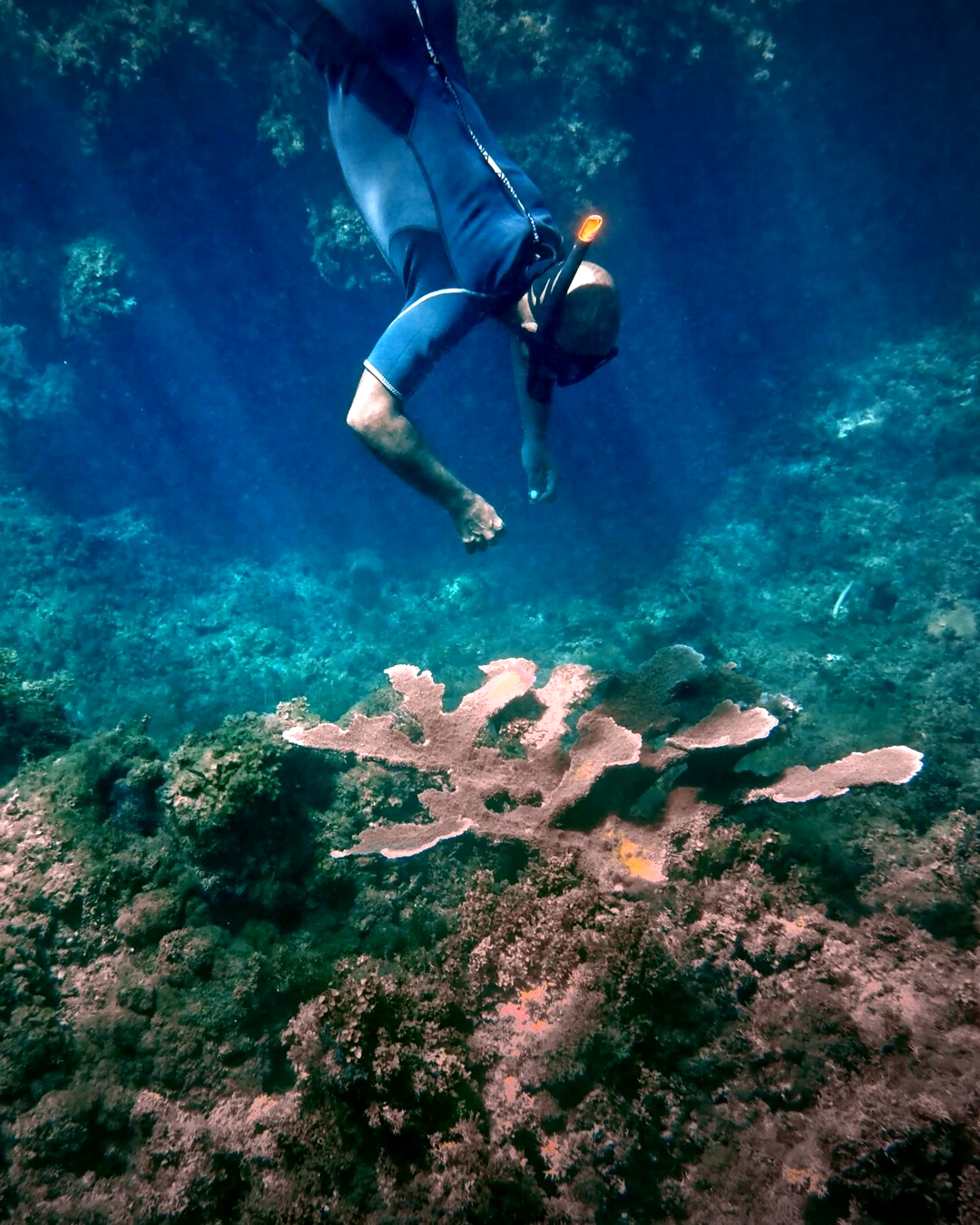
This evening, we present the 𝗣𝗼𝗿𝘁𝗹𝗮𝗻𝗱 𝗽𝗿𝗲𝗺𝗶𝗲𝗿𝗲 of 𝗕𝗲𝘆𝗼𝗻𝗱 𝗕𝗼𝘂𝗻𝗱𝗮𝗿𝗶𝗲𝘀: 𝗧𝗵𝗲 𝗦𝗮𝘃𝗲 𝗖𝗼𝗰𝗸𝗽𝗶𝘁 𝗖𝗼𝘂𝗻𝘁𝗿𝘆 𝗠𝗼𝘃𝗲𝗺𝗲𝗻𝘁 (2026, 74′), the latest documentary by 𝗘𝘀𝘁𝗵𝗲𝗿 𝗙𝗶𝗴𝘂𝗲𝗿𝗼𝗮. In addition, we are also bringing back 𝗕𝗲𝗮𝗰𝗵 𝗜𝗻𝗻𝗮 𝗕𝗼𝗻𝗱𝗮𝗴𝗲: 𝗧𝗵𝗲 𝗙𝗶𝗴𝗵𝘁 𝗳𝗼𝗿 𝗝𝗮𝗺𝗮𝗶𝗰𝗮’𝘀 𝗖𝗼𝗮𝘀𝘁𝗹𝗶𝗻𝗲 (2026, 29′), alongside the short documentaries 𝗪𝗵𝗼 𝗖𝘆𝗮𝗵 𝗛𝗲𝗮𝗿 (2026, 17′) and 𝗥𝗲𝗽𝗹𝗮𝗻𝘁𝗶𝗻𝗴 𝗮 𝗚𝗮𝗿𝗱𝗲𝗻 (2026, 14′). Together, in a special joint screening, these four documentaries explore 𝗰𝗼𝗻𝘁𝗲𝗺𝗽𝗼𝗿𝗮𝗿𝘆 𝘀𝘁𝗿𝘂𝗴𝗴𝗹𝗲𝘀 𝗳𝗼𝗿 𝗲𝗻𝘃𝗶𝗿𝗼𝗻𝗺𝗲𝗻𝘁𝗮𝗹 𝗷𝘂𝘀𝘁𝗶𝗰𝗲, 𝗹𝗮𝗻𝗱 𝗿𝗶𝗴𝗵𝘁𝘀, 𝗮𝗻𝗱 𝗰𝗼𝗺𝗺𝘂𝗻𝗶𝘁𝘆 𝗮𝗰𝘁𝗶𝘃𝗶𝘀𝗺 𝗶𝗻 𝗝𝗮𝗺𝗮𝗶𝗰𝗮, and will be presented in a 𝘀𝗽𝗲𝗰𝗶𝗮𝗹 𝗷𝗼𝗶𝗻𝘁 𝘀𝗰𝗿𝗲𝗲𝗻𝗶𝗻𝗴 this evening.
𝗔𝗱𝗺𝗶𝘀𝘀𝗶𝗼𝗻 𝗶𝘀 𝗳𝗿𝗲𝗲, but please 𝗿𝗲𝗴𝗶𝘀𝘁𝗲𝗿 by sending an email to [email protected] as space is limited. 𝗙𝗼𝗼𝗱 𝗮𝗻𝗱 𝗱𝗿𝗶𝗻𝗸𝘀 will be available on sale throughout the evening, and if you want to have 𝗱𝗶𝗻𝗲𝗿 at 𝗚𝗿𝗲𝗮𝘁 𝗛𝘂𝘁𝘀 beforehand, please call +1 876 353 33 88 or email [email protected] to make a reservation!
𝗣𝗼𝗿𝘁𝗶𝗲 𝗙𝗶𝗹𝗺 𝗙𝗲𝘀𝘁𝗶𝘃𝗮𝗹 𝟮𝟬𝟮𝟲: 𝗕𝗲𝘆𝗼𝗻𝗱 𝗕𝗼𝘂𝗻𝗱𝗮𝗿𝗶𝗲𝘀 + 𝗕𝗲𝗮𝗰𝗵 𝗜𝗻𝗻𝗮 𝗕𝗼𝗻𝗱𝗮𝗴𝗲 + 𝗪𝗵𝗼 𝗖𝘆𝗮𝗵 𝗛𝗲𝗮𝗿 + 𝗥𝗲𝗽𝗹𝗮𝗻𝘁𝗶𝗻𝗴 𝗮 𝗚𝗮𝗿𝗱𝗲𝗻 (𝗝𝗼𝗶𝗻𝘁 𝗦𝗰𝗿𝗲𝗲𝗻𝗶𝗻𝗴)
Date: Friday, July 10, 2026
Time: 6pm (welcome reception), 7.30pm (start film program)
Venue: Great Huts
Address: 6-10 Boston Bay, Portland 🇯🇲
Program: 𝗕𝗲𝘆𝗼𝗻𝗱 𝗕𝗼𝘂𝗻𝗱𝗮𝗿𝗶𝗲𝘀: 𝗧𝗵𝗲 𝗦𝗮𝘃𝗲 𝗖𝗼𝗰𝗸𝗽𝗶𝘁 𝗖𝗼𝘂𝗻𝘁𝗿𝘆 𝗠𝗼𝘃𝗲𝗺𝗲𝗻𝘁 (2026, 74′, 🇯🇲 dir. Esther Figueroa) + 𝗕𝗲𝗮𝗰𝗵 𝗜𝗻𝗻𝗮 𝗕𝗼𝗻𝗱𝗮𝗴𝗲: 𝗧𝗵𝗲 𝗙𝗶𝗴𝗵𝘁 𝗳𝗼𝗿 𝗝𝗮𝗺𝗮𝗶𝗰𝗮’𝘀 𝗖𝗼𝗮𝘀𝘁𝗹𝗶𝗻𝗲 (2026, 30′, 🇯🇲 dir. Emiel Martens & Elsie Vermeer in collaboration with Keznamdi & JaBBEM) + 𝗪𝗵𝗼 𝗖𝘆𝗮𝗵 𝗛𝗲𝗮𝗿 (2026, 17′, 🇯🇲 dir. Isis Semaj-Hall) + 𝗥𝗲𝗽𝗹𝗮𝗻𝘁𝗶𝗻𝗴 𝗮 𝗚𝗮𝗿𝗱𝗲𝗻 (2026, 14′, dir. Anthony Wallace)
Extra: The trailer of 𝗢𝗳 𝗖𝗼𝗱 𝗮𝗻𝗱 𝗥𝘂𝗺: 𝗧𝗵𝗲 𝗡𝗲𝘄𝗳𝗼𝘂𝗻𝗱𝗹𝗮𝗻𝗱-𝗝𝗮𝗺𝗮𝗶𝗰𝗮 𝗖𝗼𝗻𝗻𝗲𝗰𝘁𝗶𝗼𝗻 (2021, 4′, 🇯🇲 dir. Wade Hudson)
Extra: If you want to have diner at 𝗚𝗿𝗲𝗮𝘁 𝗛𝘂𝘁𝘀 beforehand, please call +1 876 353 33 88 or email [email protected] to make a reservation
Extra: The 𝗣𝗼𝗿𝘁𝗶𝗲 𝗙𝗶𝗹𝗺 𝗙𝗲𝘀𝘁𝗶𝘃𝗮𝗹 𝟮𝟬𝟮𝟲 is presented by 𝗚𝗿𝗲𝗮𝘁 𝗛𝘂𝘁𝘀 & 𝗖𝗮𝗿𝗶𝗯𝗯𝗲𝗮𝗻 𝗖𝗿𝗲𝗮𝘁𝗶𝘃𝗶𝘁𝘆
Tickets: 𝗙𝗿𝗲𝗲 𝗮𝗱𝗺𝗶𝘀𝘀𝗶𝗼𝗻, but please 𝗿𝗲𝗴𝗶𝘀𝘁𝗲𝗿 by sending an email to [email protected] as space is limited
 𝗔𝗯𝗼𝘂𝘁 𝗕𝗲𝘆𝗼𝗻𝗱 𝗕𝗼𝘂𝗻𝗱𝗮𝗿𝗶𝗲𝘀: 𝗧𝗵𝗲 𝗦𝗮𝘃𝗲 𝗖𝗼𝗰𝗸𝗽𝗶𝘁 𝗖𝗼𝘂𝗻𝘁𝗿𝘆 𝗠𝗼𝘃𝗲𝗺𝗲𝗻𝘁
Cockpit Country is iconic, epic and essential to Jamaica. Located in six Western parishes, Cockpit Country is Jamaica’s largest rain forest, the source of six major rivers and provides Jamaica with 40% of its fresh water. Cockpit Country forests produce large amounts of oxygen, cool temperatures and sequester millions of tons of carbon. A place of striking beauty, Cockpit Country is the Caribbean’s most important bio-diversity “hot spot”, with plants and animals found no where else in the world, and has the most species threatened with extinction. Cockpit Country, famous for growing the best yams, is central to Jamaica’s agriculture, food security and self sufficiency. It is where the Leeward maroons battled the English for almost a century and won their freedom long before Jamaica was granted political independence from Britain, and will always be a Jamaican symbol of rebellion, liberation and fortitude. 𝗕𝗲𝘆𝗼𝗻𝗱 𝗕𝗼𝘂𝗻𝗱𝗮𝗿𝗶𝗲𝘀: 𝗧𝗵𝗲 𝗦𝗮𝘃𝗲 𝗖𝗼𝗰𝗸𝗽𝗶𝘁 𝗖𝗼𝘂𝗻𝘁𝗿𝘆 𝗠𝗼𝘃𝗲𝗺𝗲𝗻𝘁, a new feature documentary by Esther Figueroa, celebrates the multi-generational efforts by many to protect Cockpit Country, to defend its forests, flora and fauna, ecological heritage, agriculture, indigenous peoples, rural communities and way of life. The Save Cockpit Country Movement is over 100 years old and will continue into the future. The film both documents the varied strategies of the movement; from community engagement, research, sharing information, and media campaigns, to petitions, protests, and legal cases; and serves as an example of what it takes to make a social movement successful and sustainable. The film hopes that the dedication, commitment, creativity and bravery of those in the movement will inspire others to stand up for themselves and their communities, and to protect, love and defend Jamaica and each other. 𝗕𝗲𝘆𝗼𝗻𝗱 𝗕𝗼𝘂𝗻𝗱𝗮𝗿𝗶𝗲𝘀: 𝗧𝗵𝗲 𝗦𝗮𝘃𝗲 𝗖𝗼𝗰𝗸𝗽𝗶𝘁 𝗖𝗼𝘂𝗻𝘁𝗿𝘆 𝗠𝗼𝘃𝗲𝗺𝗲𝗻𝘁 is part of the Save Cockpit Country Movement Project, which is producing a digital archive of the movement, creating learning tools and activities for environmental social justice activism and which has already produced two publications about the movement. To read these documents and learn more go to: www.jamentrust.org.
𝗔𝗯𝗼𝘂𝘁 𝗕𝗲𝗮𝗰𝗵 𝗜𝗻𝗻𝗮 𝗕𝗼𝗻𝗱𝗮𝗴𝗲: 𝗧𝗵𝗲 𝗙𝗶𝗴𝗵𝘁 𝗳𝗼𝗿 𝗝𝗮𝗺𝗮𝗶𝗰𝗮’𝘀 𝗖𝗼𝗮𝘀𝘁𝗹𝗶𝗻𝗲
𝗕𝗲𝗮𝗰𝗵 𝗜𝗻𝗻𝗮 𝗕𝗼𝗻𝗱𝗮𝗴𝗲: 𝗧𝗵𝗲 𝗙𝗶𝗴𝗵𝘁 𝗳𝗼𝗿 𝗝𝗮𝗺𝗮𝗶𝗰𝗮’𝘀 𝗖𝗼𝗮𝘀𝘁𝗹𝗶𝗻𝗲 (2026) is a documentary by Kingston-based Dutch filmmaking duo 𝗘𝗺𝗶𝗲𝗹 𝗠𝗮𝗿𝘁𝗲𝗻𝘀 and 𝗘𝗹𝘀𝗶𝗲 𝗩𝗲𝗿𝗺𝗲𝗲𝗿 in collaboration with 𝗝𝗮𝗕𝗕𝗘𝗠 and 𝗞𝗲𝘇𝗻𝗮𝗺𝗱𝗶 exploring the growing struggle for beach access in Jamaica. Since the 1950s, public access to the island’s beaches has steadily declined, leaving less than one percent of the coastline publicly accessible for Jamaicans. Over the decades, most of Jamaica’s beaches have been captured by private and tourist interests, and particularly since the 2000s large-scale hotel developments have limited beach access for Jamaicans. 𝗕𝗲𝗮𝗰𝗵 𝗜𝗻𝗻𝗮 𝗕𝗼𝗻𝗱𝗮𝗴𝗲 follows the grassroots movement resisting the privatization of Jamaican beaches by zooming in on three frontline struggles: Bob Marley Beach near Kingston, the Blue Lagoon in the parish of Portland, and Mammee Bay Beach on the island’s North Coast. The interviewees, all Jamaicans, reveal how the 1956 Beach Control Act, which is still in effect today, vests ownership of the foreshore in the Jamaican state (and actually the British Crown) and traces how this colonial-era law, combined with the island’s all-inclusive tourism model, has displaced communities, disrupted livelihoods, and degraded environments. Interwoven with archival footage, news clips, and recordings of protest rallies and court cases, the interviewees situate today’s beach access struggles within Jamaica’s troubled history of land ownership following emancipation and independence. They argue that the island’s tourism industry replicates plantation logic by monopolizing land, concentrating wealth, exporting profits, and, ultimately, marginalizing the people. 𝗕𝗲𝗮𝗰𝗵 𝗜𝗻𝗻𝗮 𝗕𝗼𝗻𝗱𝗮𝗴𝗲 shows that beach access, which is not only an issue in Jamaica but across the Caribbean and beyond, is an urgent matter of historical, economic, social, cultural and environmental justice, raising the question of who the tropical paradise of sun, sand, and sea truly serves, and at what cost…
𝗔𝗯𝗼𝘂𝘁 𝗪𝗵𝗼 𝗖𝘆𝗮𝗵 𝗛𝗲𝗮𝗿
𝗔𝗯𝗼𝘂𝘁 𝗪𝗵𝗼 𝗖𝘆𝗮𝗵 𝗛𝗲𝗮𝗿 is a thought-provoking short documentary that explores the power of listening as a tool for environmental awareness, cultural preservation, and collective action in Jamaica. Drawing on academic research, field recordings, and community collaboration, the film examines the profound connections between climate change, ancestral knowledge, and everyday life on the island. Taking its title from the Jamaican proverb ‘who cyah hear, must feel,’ the documentary invites audiences to consider what becomes possible when communities listen deeply – to the land, to one another, and to the stories carried across generations. Through a blend of environmental activism, artistic expression, and local voices, 𝗪𝗵𝗼 𝗖𝘆𝗮𝗵 𝗛𝗲𝗮𝗿 reveals climate action not only as a scientific imperative but also as a cultural practice rooted in memory, care, and shared responsibility. Directed by Isis Semaj-Hall, with cinematography and editing by Jordan Morris, and featuring the guidance of environmentalist Diana McCaulay and musician-producer Gavin ‘Gavsborg’ Blair, 𝗪𝗵𝗼 𝗖𝘆𝗮𝗵 𝗛𝗲𝗮𝗿 is a powerful reflection on resilience, belonging, and the urgent need to hear the wisdom embedded in both people and place.
𝗔𝗯𝗼𝘂𝘁 𝗥𝗲𝗽𝗹𝗮𝗻𝘁𝗶𝗻𝗴 𝗮 𝗚𝗮𝗿𝗱𝗲𝗻
In the wake of a devastating coral bleaching event, Jamaican fishers, scientists, and marine wardens join forces to restore both their reef and the community that depends on it. 𝗥𝗲𝗽𝗹𝗮𝗻𝘁𝗶𝗻𝗴 𝗮 𝗚𝗮𝗿𝗱𝗲𝗻 follows the work of the Oracabessa Bay Fish Sanctuary as its members replant damaged coral, protect fragile marine habitats, and help revive one of the Caribbean’s most threatened ecosystems. Through the voices of those who live and work on the water, the film draws a powerful parallel between coral restoration and community gardening: both require care, patience, and collective effort. As the reef recovers, fish populations return, livelihoods improve, and community ties are strengthened. Offering a hopeful portrait of grassroots conservation, 𝗥𝗲𝗽𝗹𝗮𝗻𝘁𝗶𝗻𝗴 𝗮 𝗚𝗮𝗿𝗱𝗲𝗻 shows how environmental stewardship, local knowledge, and cooperation can work together to create a more resilient future for both people and nature.
𝗔𝗯𝗼𝘂𝘁 𝗢𝗳 𝗖𝗼𝗱 𝗮𝗻𝗱 𝗥𝘂𝗺: 𝗧𝗵𝗲 𝗡𝗲𝘄𝗳𝗼𝘂𝗻𝗱𝗹𝗮𝗻𝗱-𝗝𝗮𝗺𝗮𝗶𝗰𝗮 𝗖𝗼𝗻𝗻𝗲𝗰𝘁𝗶𝗼𝗻
The documentary 𝗢𝗳 𝗖𝗼𝗱 𝗮𝗻𝗱 𝗥𝘂𝗺: 𝗧𝗵𝗲 𝗡𝗲𝘄𝗳𝗼𝘂𝗻𝗱𝗹𝗮𝗻𝗱-𝗝𝗮𝗺𝗮𝗶𝗰𝗮 𝗖𝗼𝗻𝗻𝗲𝗰𝘁𝗶𝗼𝗻 explores the centuries-old relationship between two former British colonies, Newfoundland in Canada and Jamaica in the Caribbean, tracing a little-known history forged through trade, migration, and cultural exchange. At the heart of this story is the cod-and-rum trade that linked the cold waters of the North Atlantic to the plantation economies of the Caribbean, creating economic and human connections that would shape communities on both sides of the ocean. Through historical records, personal testimonies, and contemporary reflections, 𝗢𝗳 𝗖𝗼𝗱 𝗮𝗻𝗱 𝗥𝘂𝗺 uncovers how salted cod from Newfoundland became a staple food in Jamaica, while the island’s rum flowed northward in exchange. Beyond commerce, these maritime routes carried people, traditions, and stories, revealing a shared heritage rooted in colonialism, survival, and resilience. Following the journey of spoken-word artist Al St. Louis, who meets up with historians, fishermen, entrepreneurs, distillers, and community members in both Newfoundland and Jamaica, 𝗢𝗳 𝗖𝗼𝗱 𝗮𝗻𝗱 𝗥𝘂𝗺: 𝗧𝗵𝗲 𝗡𝗲𝘄𝗳𝗼𝘂𝗻𝗱𝗹𝗮𝗻𝗱-𝗝𝗮𝗺𝗮𝗶𝗰𝗮 𝗖𝗼𝗻𝗻𝗲𝗰𝘁𝗶𝗼𝗻 explores the enduring legacy of a centuries-old transatlantic relationship. By uncovering the stories, traditions, and shared experiences that link these two islands, the film invites audiences to reflect on the cultural ties that continue to connect Newfoundland and Jamaica today.
𝗔𝗯𝗼𝘂𝘁 𝗝𝗮𝗺𝗮𝗶𝗰𝗮 𝗘𝗻𝘃𝗶𝗿𝗼𝗻𝗺𝗲𝗻𝘁 𝗧𝗿𝘂𝘀𝘁
The Jamaica Environment Trust (JET) is a leading Jamaican environmental non-governmental organization dedicated to protecting the island’s natural environment through advocacy, public education, community engagement, and policy intervention. Founded in 1991, JET works on a wide range of issues, including coastal access, marine conservation, biodiversity protection, pollution, climate change, and sustainable development. The organization is particularly known for its efforts to safeguard public beaches and promote environmental justice, often serving as a watchdog on environmental governance and development projects affecting Jamaica’s ecosystems and communities. For more information, visit www.jamentrust.org.
𝗔𝗯𝗼𝘂𝘁 𝗝𝗮𝗕𝗕𝗘𝗠
JaBBEM (Jamaica Beach Birthright Environmental Movement) is a grassroots movement dedicated to protecting Jamaica’s coastal ecosystems while affirming the inherent right of all people to access, enjoy, and steward the island’s beaches. Rooted in the belief that Jamaica’s shores are part of a shared cultural and ecological inheritance, JaBBEM advocates against land privatization, tourism development, environmental degradation, and exclusionary practices that limit public access to coastal spaces. The movement brings together community members, environmental activists, cultural practitioners, and youth to promote sustainable coastal management, climate resilience, and environmental justice. Through beach cleanups, public education campaigns, policy advocacy, and cultural events, JaBBEM highlights the interconnectedness of ecological preservation and social equity. JaBBEM considers beaches not just as natural resources, but as vital spaces of history, identity, and community life – places where heritage, livelihood, and environmental responsibility meet. By mobilizing local voices and fostering collective action, the movement seeks to ensure that Jamaica’s beaches remain protected, accessible, and thriving for present and future generations. For more information, visit www.jabbem.org.
𝗔𝗯𝗼𝘂𝘁 𝗚𝗿𝗲𝗮𝘁 𝗛𝘂𝘁𝘀
Located on the cliffs of Boston Bay in Portland, Jamaica, Great Huts is an eco-resort that combines natural beauty with a celebration of African and African-Jamaican heritage. More than a place to stay, Great Huts offers a cultural experience that reflects the history, creativity, and resilience of the African diaspora in Jamaica. The resort’s grounds are adorned with African-inspired art and sculptures, while its location provides easy access to some of Portland’s must-visit attractions, including Boston Beach, Frenchman’s Cove, Reach Falls, and the Blue Mountains. With its commitment to sustainability, cultural preservation, and community engagement, Great Huts has become a distinctive destination for those seeking a connection to Jamaica’s rich natural environment and cultural heritage. As the initiator of the Portie Film Festival, Great Huts is proud to welcome the festival back to Portland for its 10th edition, in partnership with Caribbean Creativity, continuing its longstanding commitment to celebrating Jamaican film, arts, and culture. For more information, visit www.greathuts.com.
𝗔𝗯𝗼𝘂𝘁 𝗖𝗮𝗿𝗶𝗯𝗯𝗲𝗮𝗻 𝗖𝗿𝗲𝗮𝘁𝗶𝘃𝗶𝘁𝘆
Caribbean Creativity is an Amsterdam- and Kingston-based non-profit organization that is, since 2008, committed to the production, programming and promotion of Caribbean and Caribbean-themed cinema. Over the years, Caribbean Creativity has hosted over 300 screenings in theatres and at festivals, including numerous premieres. In 2020, they launched YardVibes, a streaming platform featuring content from independent Caribbean filmmakers. YardVibes currently offers over 100 titles, including feature films, web series, documentaries, and short films, with new content added monthly. This year, they are based in Kingston, working on several film projects and events, including this screening. For more information, visit www.caribbeancreativity.org.